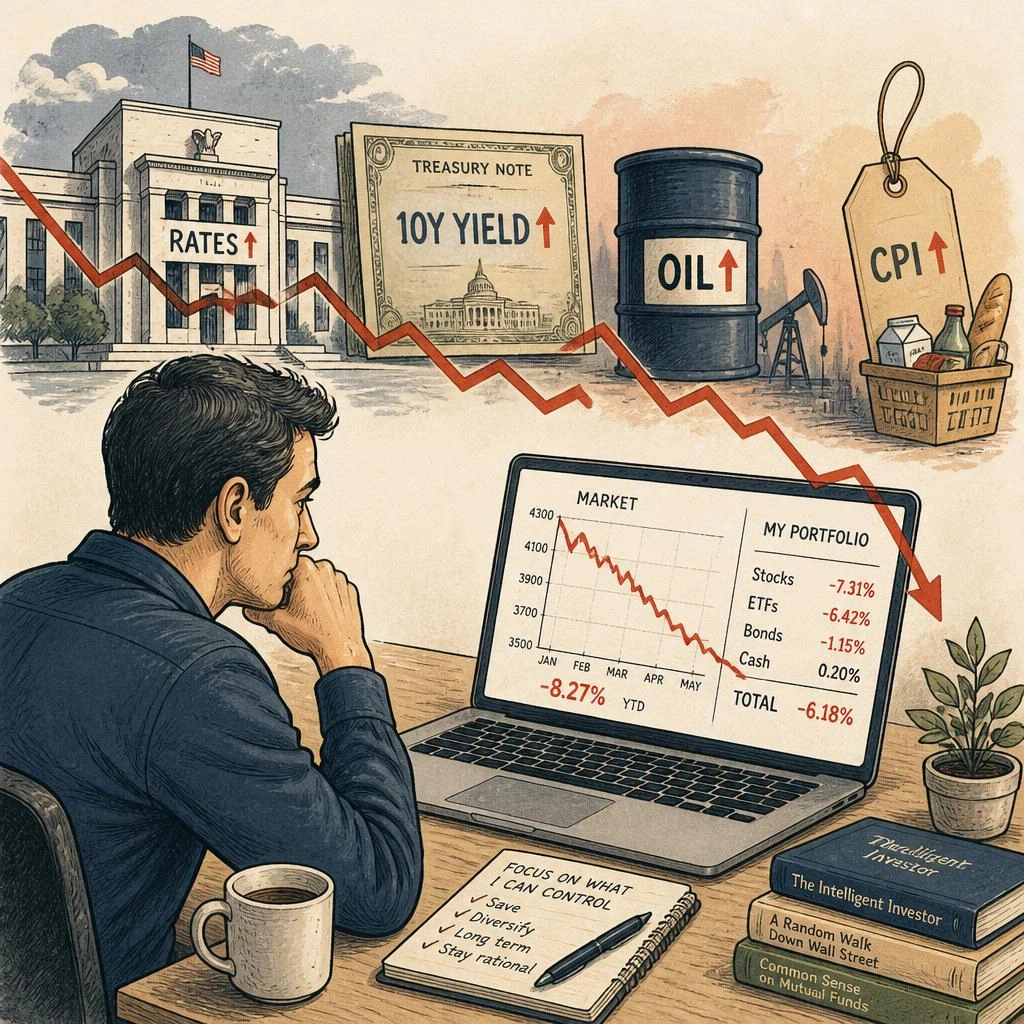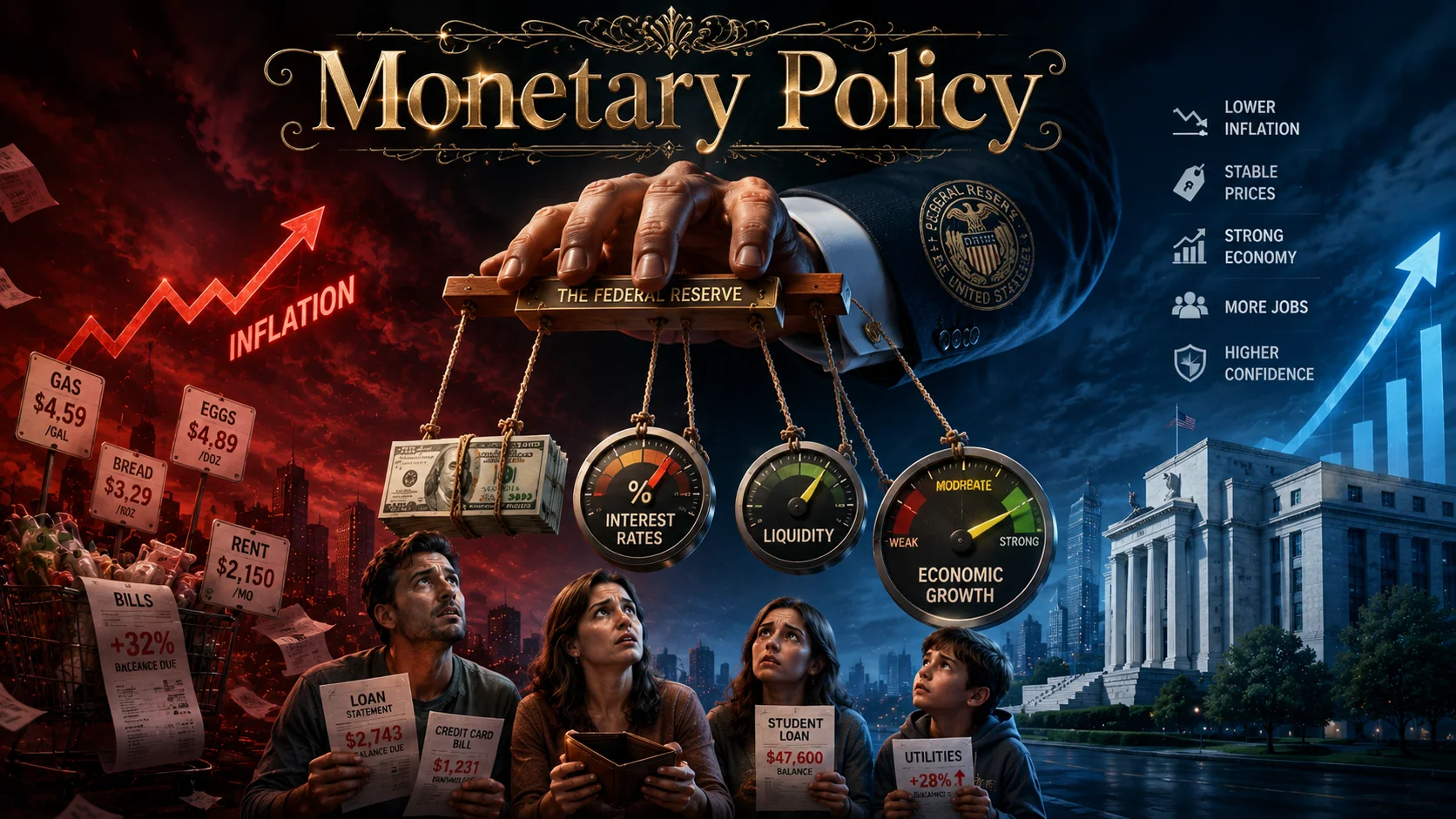
Recession explained in simple words: A recession is basically a long economic slowdown. Businesses start making less money, people begin losing jobs or getting salary cuts, and the prices of everyday things like groceries and fuel often go up.
Have you been hearing the word recession everywhere lately and feeling a little anxious? You’re not alone. A lot of people are worried about what a recession could mean for their jobs, savings, and family.
Let’s talk about it openly — no complicated terms, just clear explanations, so you can understand what’s really happening and how to protect yourself during an economic slowdown.
Key Takeaways
- A recession is a significant economic slowdown, officially defined as two consecutive quarters of negative GDP growth.
- The main causes of recession include demand-supply imbalance, excessive money printing, currency devaluation, and fear-driven loss of investor confidence.
- Recessions heavily impact normal people through job losses, salary cuts, rising inflation, increased debt, and delayed life goals.
- Even strong economies like the USA have suffered major recessions (2008 Financial Crisis, 2020 COVID-19 recession, and 2022–2023 tech layoffs).
- You can protect yourself by building a 6–12 months emergency fund, avoiding unnecessary debt, upgrading skills, and staying calm during market panic.
- Recessions are temporary; those who prepare wisely and manage their finances carefully often emerge stronger.
What Is a Recession, Really?
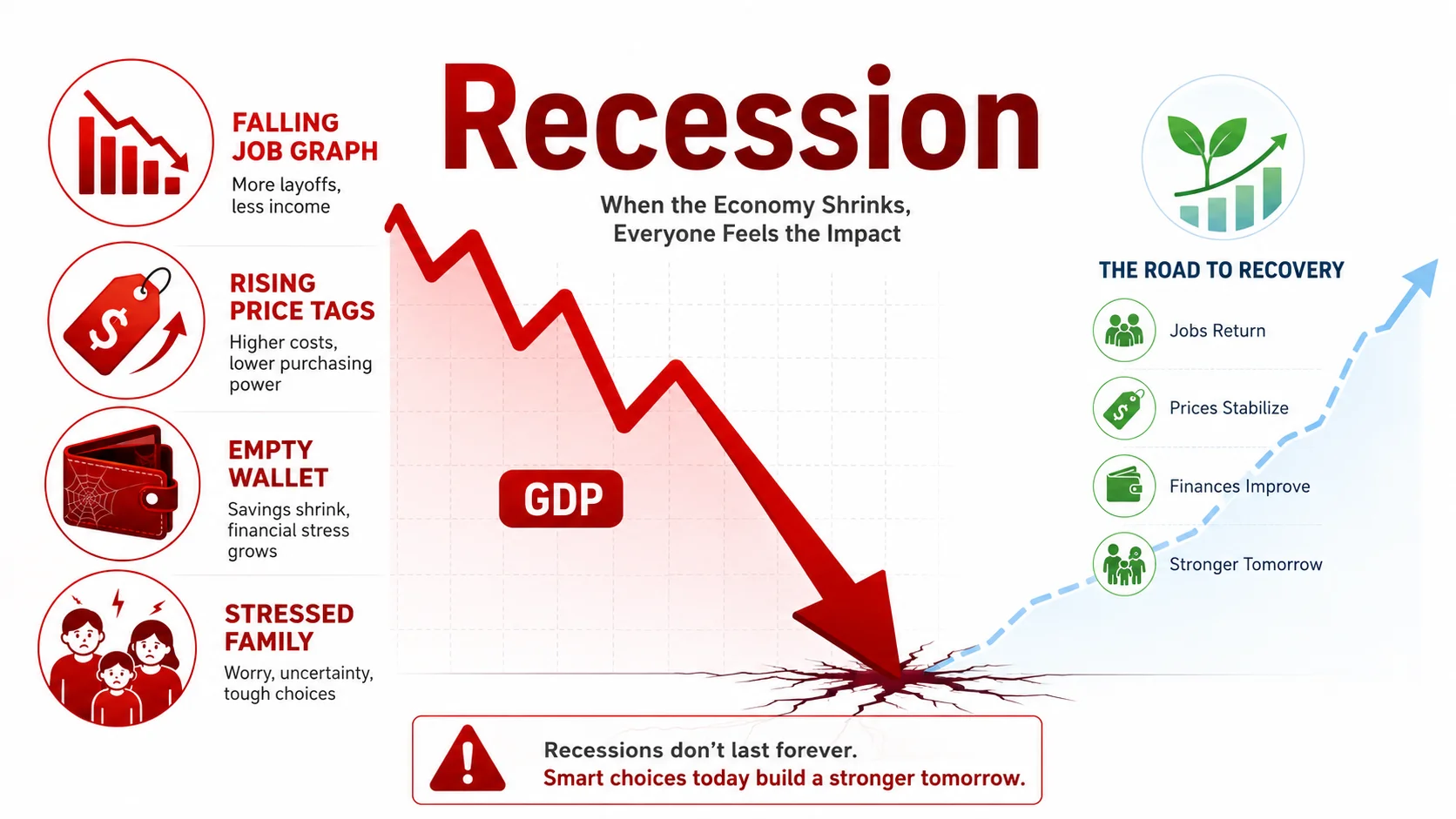
A recession is a significant slowdown in economic activity that lasts for several months or even years. During this period, businesses earn less, people lose jobs or face salary cuts, prices of essential goods often rise, and overall confidence in the economy drops sharply.
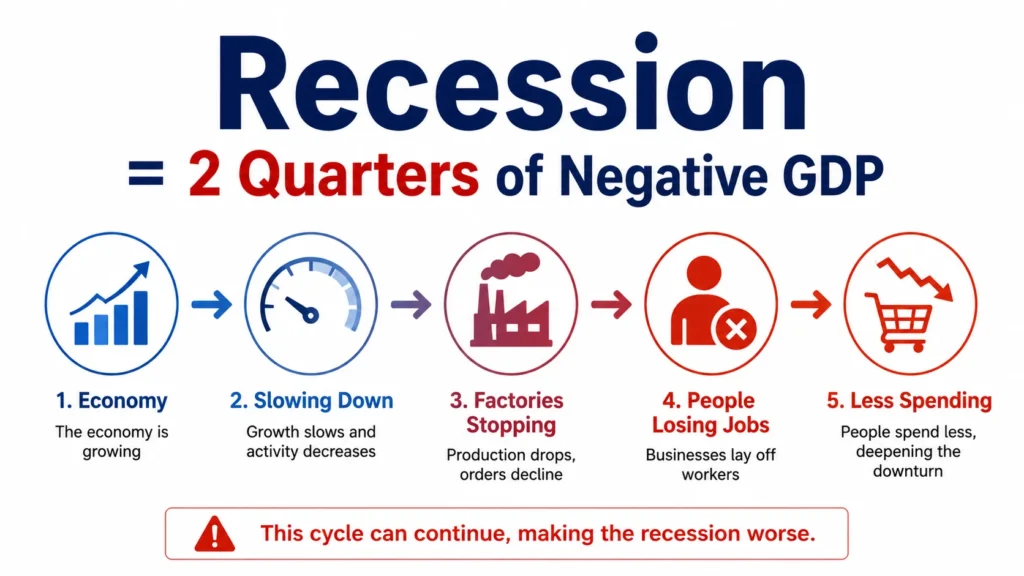
The most common technical definition used by economists is two consecutive quarters of negative GDP growth. GDP, or Gross Domestic Product, is the total value of all goods and services produced in a country. When this number shrinks for two consecutive quarters, the economy is officially declared to be in a recession.
But for normal working people, a recession feels very different. It means waking up every day with financial stress, worrying about bills, job security, rent or mortgage payments, and the future of your family. It turns stable lives into uncertain ones filled with anxiety.
How Do You Know a Recession Is Coming?
The economy doesn’t crash overnight. It gives several warning signs. The biggest and most reliable one is a steady decline in GDP. When GDP keeps falling, economists raise red flags.
Other important signals include:
- Companies freezing hiring or announcing mass layoffs
- People are suddenly cutting back heavily on spending in malls, restaurants, and online shopping
- Stock markets are becoming extremely volatile with big ups and downs
- Rising unemployment numbers every month
- Businesses are reporting lower profits and slowing down production
Think of the economy like a speeding car. When the speed (GDP) starts dropping consistently and doesn’t recover, you know serious trouble is ahead.
Main Causes of Recession
Recessions don’t happen by accident. They are usually the result of multiple problems building up over time.
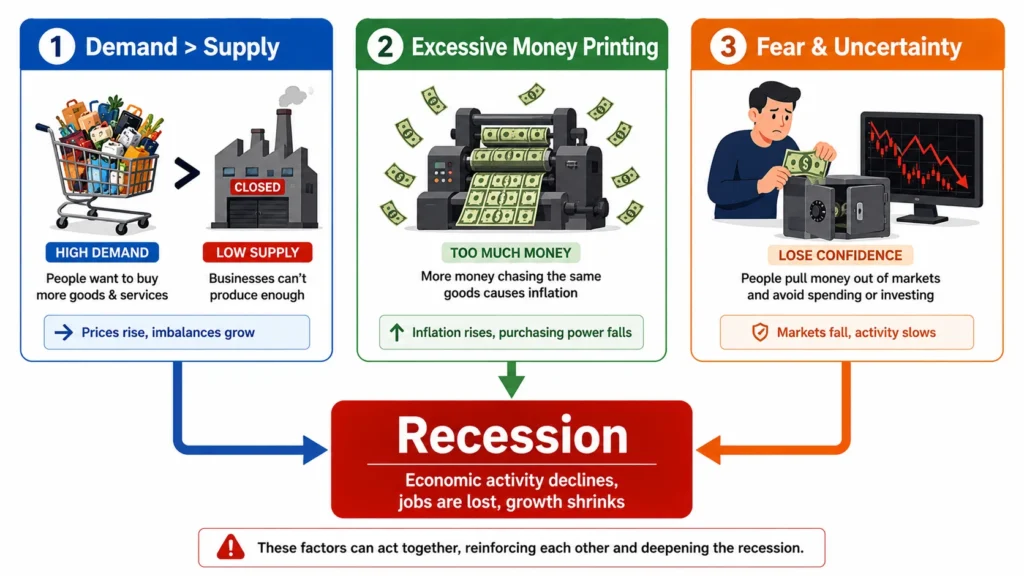
1. Imbalance Between Demand and Supply
When people earn more, they spend more. These boosts demand. Businesses produce more to meet it. However, when demand grows much faster than supply, prices shoot up (inflation). To control this, governments and central banks raise interest rates. Sometimes they raise them too aggressively, which slows down the entire economy and pushes it into recession.
2. Excessive Money Printing and Currency Devaluation
Governments sometimes print large amounts of money or borrow heavily to solve short-term problems. This increases the money supply in the market, weakens the currency, and eventually leads to high inflation and loss of purchasing power.
3. Fear, Uncertainty, and Loss of Investor Confidence
This is perhaps the most dangerous trigger. When investors, businesses, and ordinary consumers start fearing the future, they stop spending and investing. This fear spreads quickly and creates a self-fulfilling downward spiral that makes the recession worse.
Real Examples from the United States:
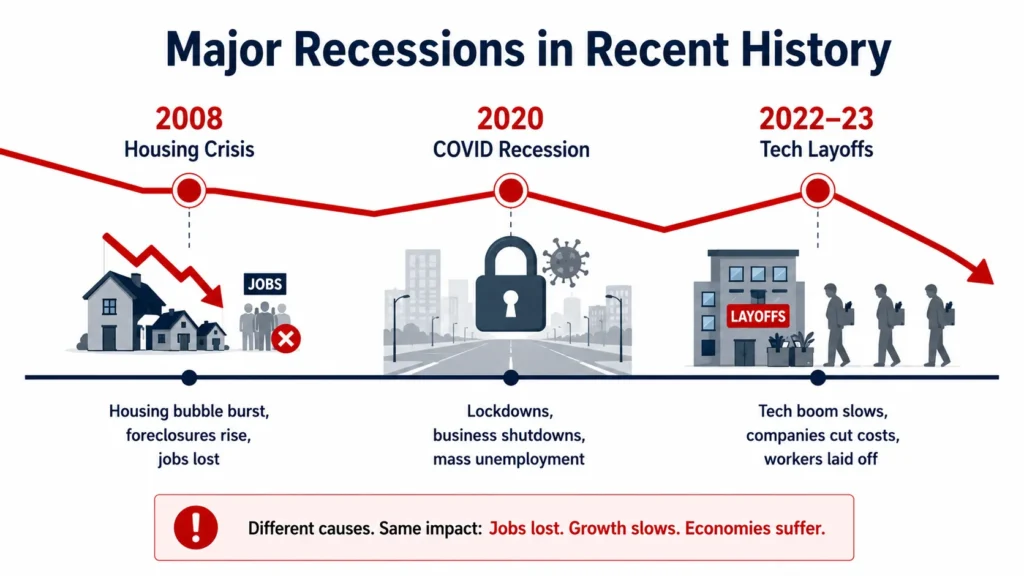
- 2008 Global Financial Crisis: The housing bubble burst after years of risky lending. Millions of Americans lost their homes. Unemployment reached 10%, and the effects were felt for many years. Many families never fully recovered their wealth.
- COVID-19 Recession (2020): Lockdowns caused one of the fastest and deepest recessions in modern history. Millions of people in the hospitality, retail, travel, and entertainment sectors lost jobs almost overnight. The government had to step in with massive stimulus packages.
- 2022–2023 Tech Industry Layoffs: Even highly profitable companies like Google, Amazon, Meta, and Twitter laid off tens of thousands of employees due to fears of an upcoming slowdown and changing economic conditions.
These examples clearly show that recessions can hit even the world’s largest and most developed economies very hard.
How Recessions Affect Normal People
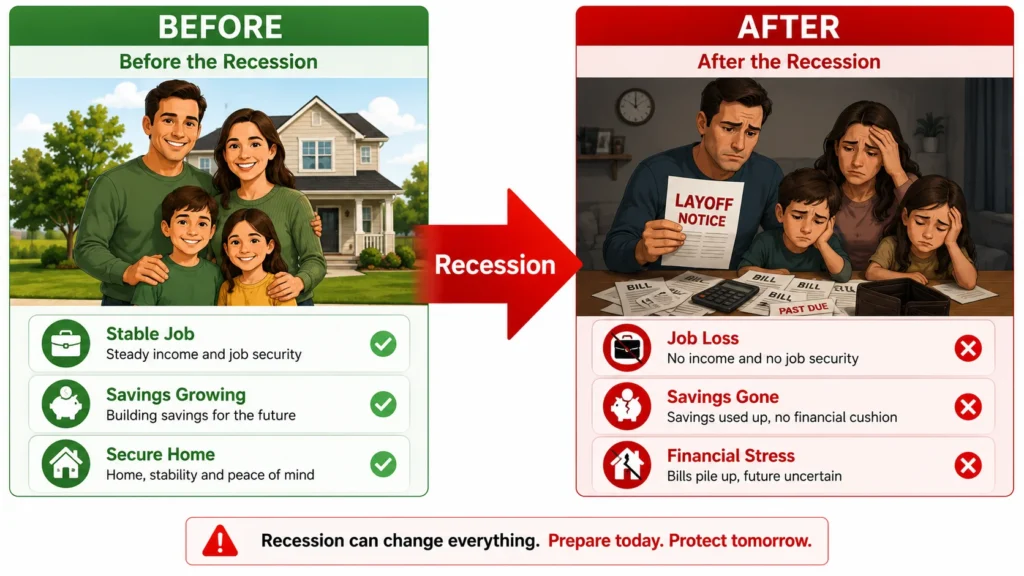
Recessions don’t affect everyone equally. They hit the middle class and working families the hardest. People face sudden job losses, salary cuts, rising prices of daily essentials, and increased debt. Many families are forced to delay important life goals such as buying a home, getting married, or having children.
Small businesses often struggle or shut down completely because they don’t have the financial cushion that big corporations have. Mental health also takes a big hit as constant financial stress leads to anxiety and depression in many households. Children’s education gets affected, families skip vacations, and overall quality of life declines.
How to Protect Yourself During a Recession
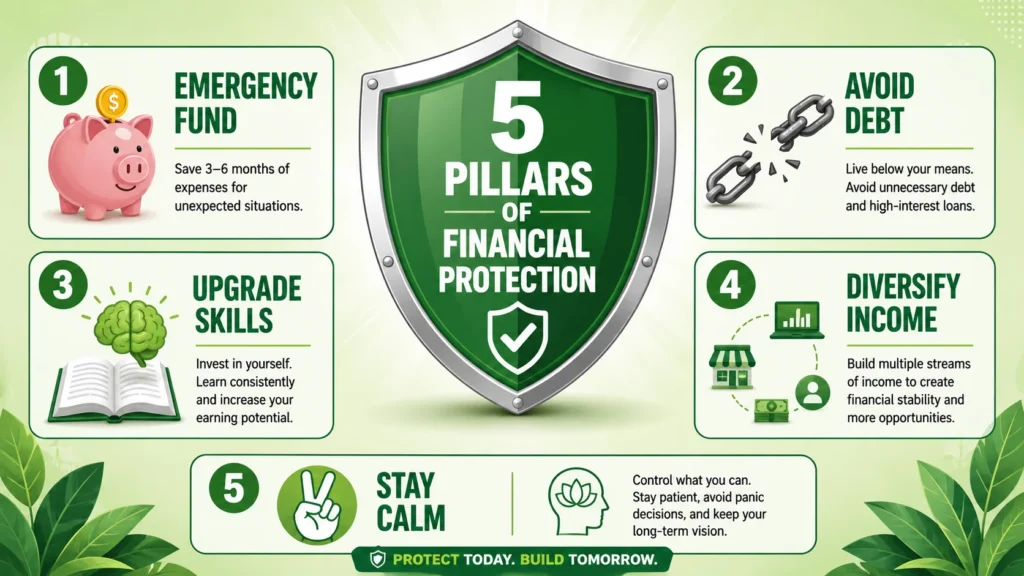
The good news is that you don’t need to be a financial expert to survive a recession. Here are practical, actionable steps you can start today:
- Build a strong emergency fund covering 6–12 months of living expenses in a safe savings account.
- Reduce and avoid taking big new debts or EMIs during uncertain times.
- Keep upgrading your skills and focus on areas that remain in demand even during slowdowns.
- Diversify your income sources and investments as much as possible.
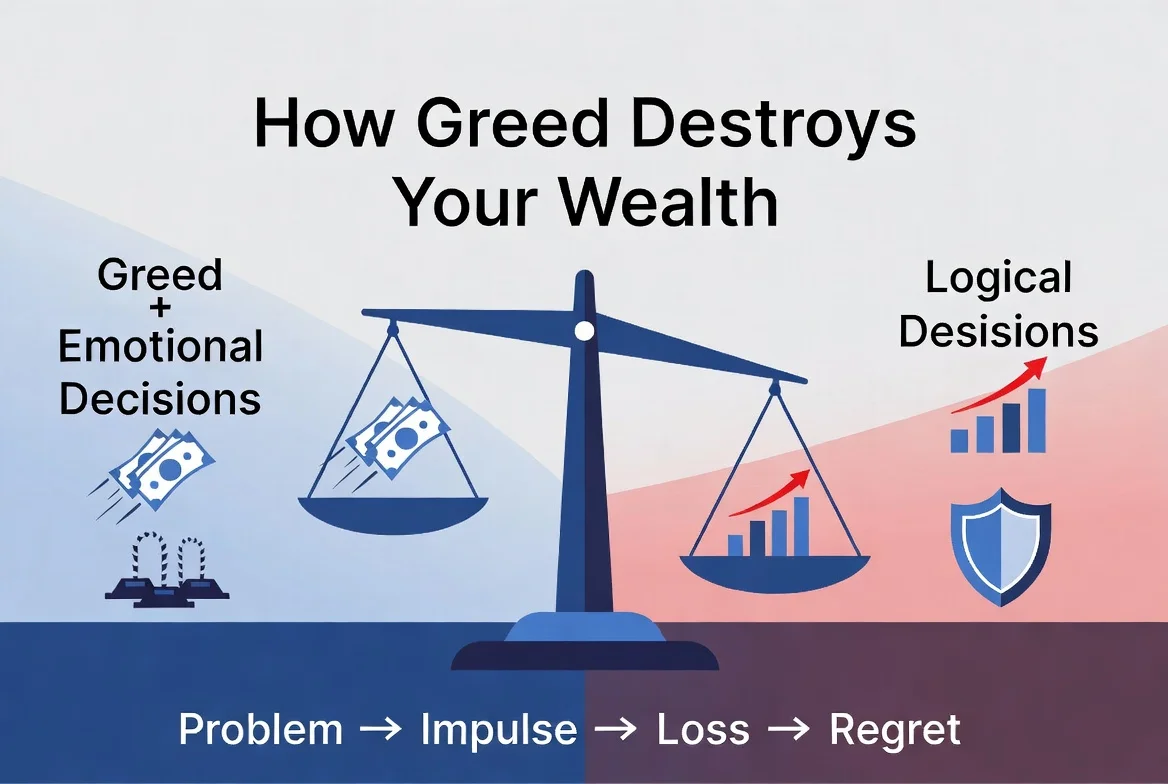
- Stay calm and avoid making emotional or panic decisions when markets crash.
- Review your spending habits regularly and cut unnecessary expenses.
People who prepare in advance and stay disciplined usually come out of recessions in a much stronger position.
Conclusion: There’s Always Life After a Recession
Recessions are painful, stressful, and difficult periods, but they are also temporary. Every major recession in history has eventually ended, and new opportunities have been created for those who were prepared and stayed resilient.
The most important message is this: Don’t live in constant fear of recession. Understand how it works, prepare yourself financially and mentally, and use tough times as an opportunity to become smarter with money.
Stay informed about economic news, manage your finances wisely, keep learning new skills, and always maintain a long-term view. The decisions you make today, both in good times and bad, will determine how well you and your family survive and thrive in the future.
The economy will recover. Those who prepare wisely will not only survive the recession but often come out stronger, wiser, and more financially secure on the other side